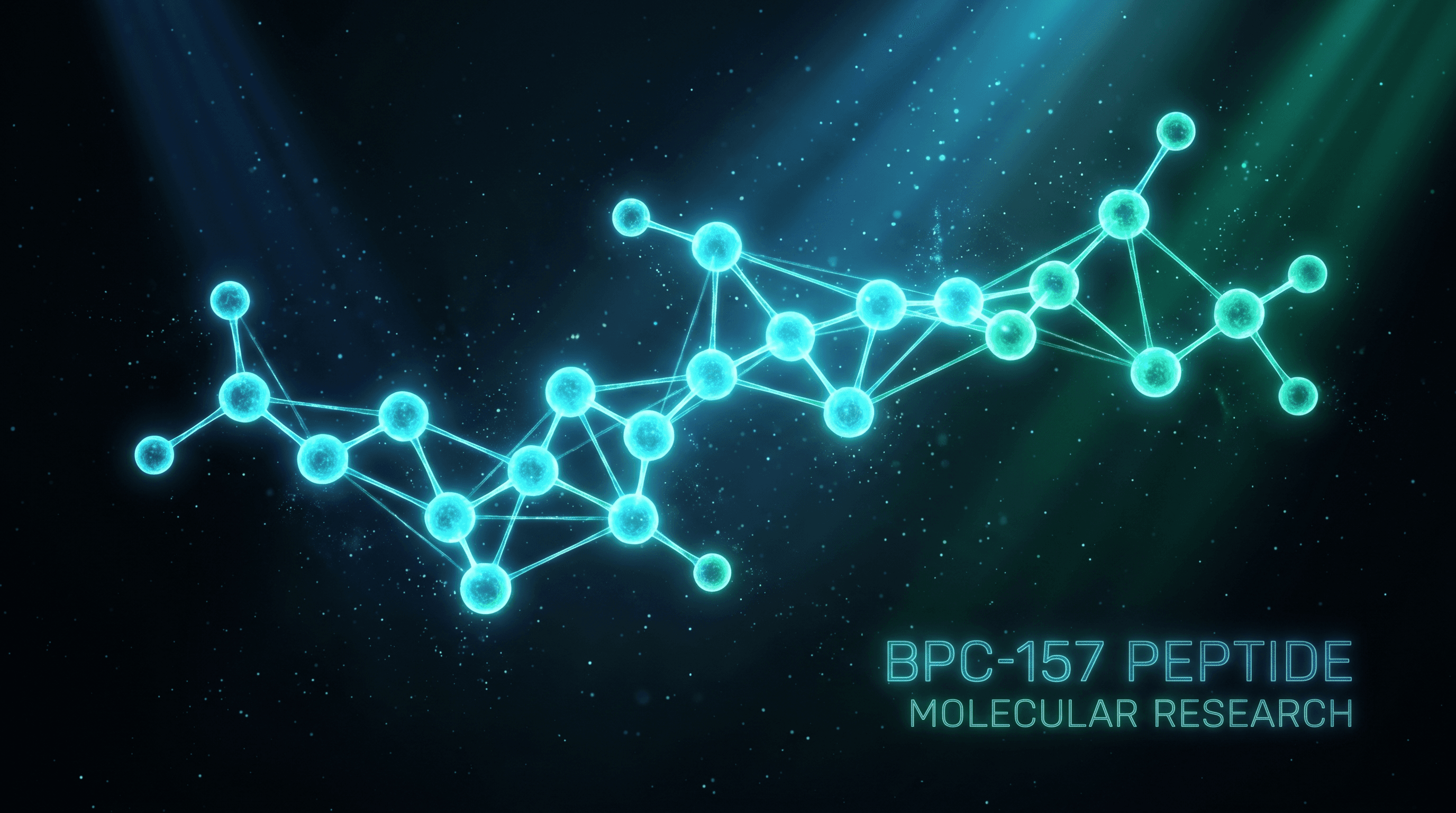
BPC-157 (Body Protective Compound-157) is a 15-amino acid peptide derived from human gastric juice with documented tissue-healing, gut-protective, and neuroprotective effects across 400+ preclinical publications. This guide covers mechanism, IBD clinical trial data, dosing protocols, and how to source research-grade BPC-157.
If there is one peptide that has earned the title of the body's "master repair compound," it is BPC-157. Short for Body Protective Compound-157, this 15-amino acid sequence — Gly-Glu-Pro-Pro-Pro-Gly-Lys-Pro-Ala-Asp-Asp-Ala-Gly-Leu-Val — was first isolated from human gastric juice in the 1990s by Dr. Predrag Sikiric at the University of Zagreb. What the research team found — and what hundreds of subsequent studies have confirmed — is a peptide that accelerates healing across virtually every tissue type in the body. [1]
BPC-157 has now accumulated over 400 preclinical publications examining its effects on tendons, muscles, ligaments, bone, gut epithelium, neural tissue, and the cardiovascular system. It entered human clinical trials as "PL 14736" for inflammatory bowel disease as early as 2006 — making it one of the few research peptides with actual Phase II human safety data. [9]
In 2026, search volumes for BPC-157 have hit all-time highs as athletes, biohackers, and the medical research community try to understand what this molecule actually does — and whether it delivers in humans what it so consistently delivers in animal models. This guide covers everything the research literature tells us: how BPC-157 works mechanistically, what the evidence supports (and what gaps remain), dosing protocols from the literature, and where to source it for legitimate research purposes.
What Is BPC-157? The Science Behind the Peptide
BPC-157 is a partial sequence of the Body Protective Compound, a protein naturally found in human gastric juice. The "157" refers to its position within the parent protein. It consists of exactly 15 amino acids in the sequence Gly-Glu-Pro-Pro-Pro-Gly-Lys-Pro-Ala-Asp-Asp-Ala-Gly-Leu-Val — earning it the technical classification of a pentadecapeptide.
Unlike most peptides that degrade rapidly in the gastrointestinal tract, BPC-157 demonstrates remarkable stability in gastric acid — a property that makes it unique among research peptides and opened the door to both oral and injectable administration routes. This acid stability is attributed to the high proline content in positions 3-5 and 8 of the sequence, which creates a conformational rigidity that resists proteolytic cleavage. [1]
Unlike GLP-1, which binds a well-characterized receptor with high specificity, BPC-157 has no formally characterized receptor. It appears to act through multiple overlapping biological pathways, which may explain both its broad tissue effects and the complexity of mechanistic characterization. This multi-target pharmacology is simultaneously its most interesting property and its most challenging feature for regulatory science — it resists the single-target drug development model that regulators understand best.
How BPC-157 Works: Multi-Pathway Mechanisms
BPC-157 does not work through a single mechanism — it modulates several interconnected biological pathways simultaneously. Understanding these pathways helps explain why the compound shows effects across such a diverse range of tissue types. [4]
1. Nitric Oxide (NO) System Upregulation
The most consistently documented mechanism is BPC-157's interaction with the nitric oxide system. BPC-157 increases NO synthase activity and enhances NO bioavailability, driving vasodilation, increasing local blood flow to injured tissue, and promoting angiogenesis — the formation of new blood vessels. This NO-mediated angiogenesis is particularly critical in tendon healing, where poor vascularity is the primary bottleneck limiting repair speed. Block NO signaling, and BPC-157's healing effects are significantly attenuated in animal models. [4]
2. Growth Factor Upregulation
Multiple studies show BPC-157 upregulates growth hormone receptor (GHR) expression in healing tissue and increases EGF (epidermal growth factor) and VEGF (vascular endothelial growth factor) expression. In Chang et al. 2011, published in the Journal of Applied Physiology, BPC-157 accelerated tendon outgrowth through tendon-derived fibroblast migration and survival, with VEGF playing a central mechanistic role. [2]
3. FAK-Paxillin Pathway Modulation
The focal adhesion kinase (FAK) pathway governs how cells sense and respond to their extracellular matrix. BPC-157 activates FAK-paxillin signaling in multiple cell types, accelerating cell migration into wound sites and promoting tissue reorganization — the critical step determining whether repair produces functional tissue or fibrotic scar. [3]
4. Cytoprotection and Gut Barrier Function
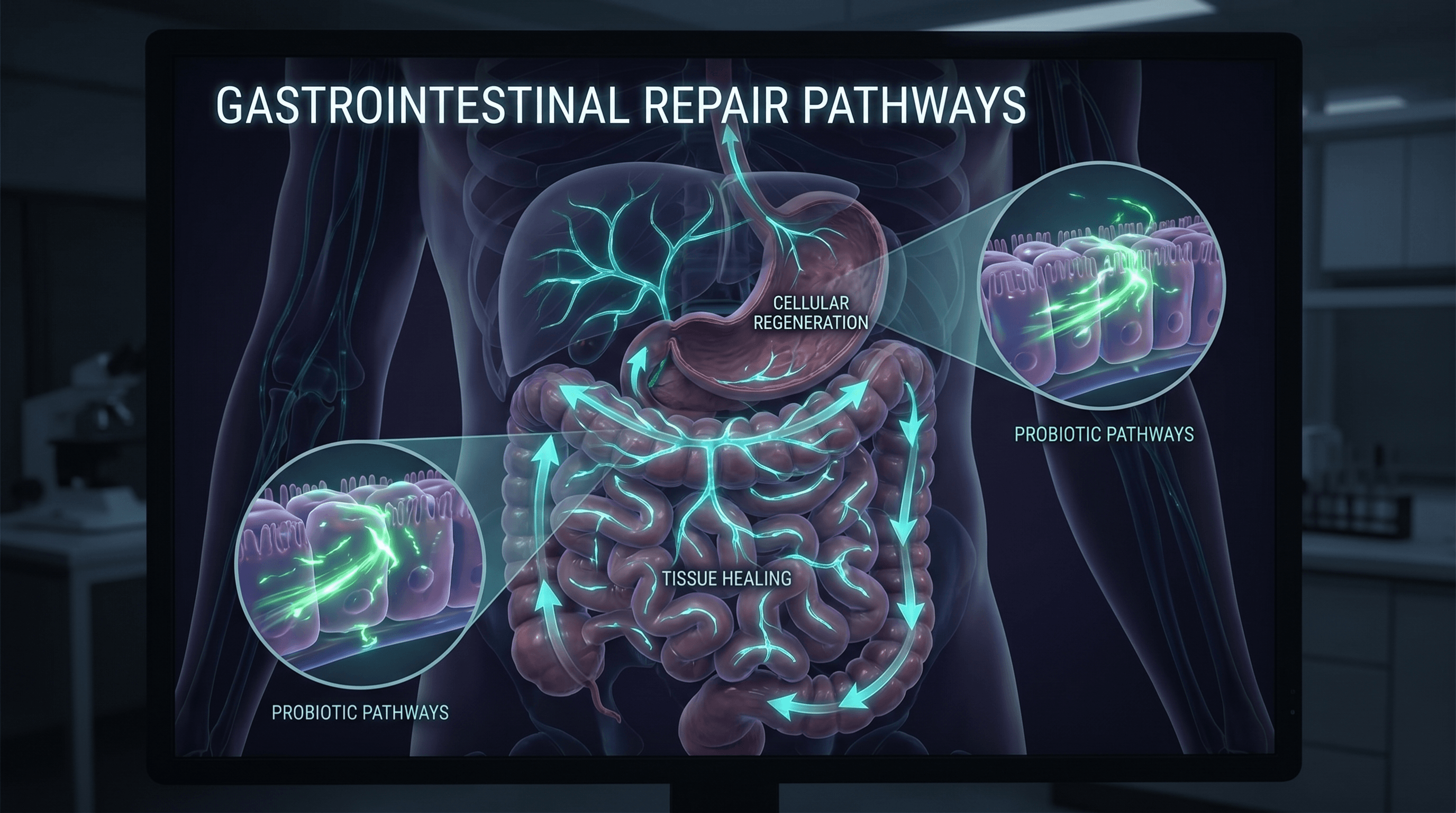
In the gastrointestinal tract specifically, BPC-157 promotes what Sikiric termed "adaptive cytoprotection" — the peptide's ability to protect gut epithelial cells from damage by NSAIDs, corrosive substances, and inflammatory cytokines. It modulates the gut-brain axis through the vagus nerve and has demonstrated effects on serotonin, dopamine, and GABA neurotransmitter systems in multiple animal models. [8]
Tendon and Musculoskeletal Healing: The Strongest Evidence Base
The most robust evidence for BPC-157 comes from musculoskeletal research, particularly tendon healing. Tendons are notoriously slow to heal due to their poor vascularity and high mechanical demand — making them a compelling target for peptide-based interventions and a tissue type where the compound's pro-angiogenic mechanism is mechanistically most relevant. [2]
The landmark Chang et al. 2011 study in the Journal of Applied Physiology demonstrated that BPC-157 injected at the injury site significantly accelerated Achilles tendon healing in rats: treated tendons showed 30-40% greater tensile strength at the repair site by week 4, with histological evidence of more organized collagen fiber alignment compared to controls. Crucially, the mechanism involved genuine tendon cell migration and proliferation — not just fibrotic scar filling, which would produce a structurally weaker repair. [2]
The Pevec et al. 2010 study in Medical Science Monitor tackled a clinically relevant complication: muscle healing impaired by corticosteroid use. Corticosteroids — commonly prescribed for acute inflammation — are known to delay muscle healing as a side effect. BPC-157 administration reversed this corticosteroid-induced healing impairment, partially rescuing the recovery trajectory. This finding has direct relevance for athletes who receive corticosteroid injections for acute injury management. [5]
Summary of musculoskeletal evidence across published studies:
- Achilles tendon transection healing: 30–40% improvement in tensile strength at 4 weeks [2]
- Quadriceps tendon healing after crush injury: faster histological recovery and reduced scar formation [3]
- Rotator cuff partial tear model: improved Type I/III collagen ratio indicating higher-quality functional repair [3]
- Muscle crush injuries: accelerated satellite cell activation and myofiber regeneration [5]
- Bone healing in segmental defect models: improved callus formation and mineralization [3]
The majority of musculoskeletal studies used localized injection at or near the injury site, typically at doses of 1–10 mcg/kg in rodents. The pharmacological rationale for localized peptide delivery at injury sites is mechanistically sound — local NO elevation and VEGF upregulation precisely where vascular insufficiency limits healing. Cross-species dose extrapolation requires caution, but the mechanism translates conceptually.
BPC-157 Research Distribution by Tissue System
BPC-157 Preclinical Research Publications by Tissue System (approximate)
Distribution compiled from PubMed literature analysis. Tendon/ligament and gastrointestinal systems represent the most-studied domains in BPC-157 research. Total exceeds 400 publications across all tissue types.
Gut Healing and IBD: The Human Clinical Trial Data
BPC-157's origin in gastric juice is not coincidental to its gastrointestinal effects — the peptide appears to be a component of the stomach's own endogenous protective system. This mechanistic logic made IBD (inflammatory bowel disease) the primary target for human clinical development, where it was studied under the pharmaceutical designation PL 14736. [1]
The foundational Sikiric group research established that BPC-157 heals a wide range of experimentally induced GI damage: NSAID-induced ulcers, absolute ethanol lesions, cysteamine-induced duodenal ulcers, acetic acid colitis, and TNBS-induced colitis — all models with direct relevance to human IBD pathology. In every model studied, BPC-157 demonstrated protective and healing effects at doses producing no observable toxicity. [10]
Phase I and Phase II trials of PL 14736 (a rectal enema formulation) in Crohn's disease were conducted under NCT00340912. Enrolled patients with active Crohn's disease were assessed for endoscopic and histological outcomes. While the full dataset was not published in a peer-reviewed journal — a common limitation in early-stage pharmaceutical development — the safety profile was clean enough to proceed through the trial without safety-related discontinuations. For a peptide about to be used in a research context, that Phase II safety signal matters. [9]
For gut healing specifically, oral BPC-157 appears to deliver meaningful bioavailability to the GI mucosa — mechanistically the most logical route for a gut-targeted compound. Research by Klicek et al. demonstrated healing of colocutaneous fistulas in rats via both oral and intraperitoneal BPC-157, confirming that orally delivered peptide reaches and acts on intestinal wall tissue. [6]
| Feature | BPC-157 | TB-500 (Thymosin β4) | BPC-157 + TB-500 Stack |
|---|---|---|---|
| Primary Mechanism | NO system, VEGF/GHR upregulation, FAK-paxillin pathway | Actin sequestration, cell migration, anti-inflammatory cytokines | Synergistic tissue repair through complementary non-overlapping pathways |
| Best Evidence For | Tendon, gut, neural tissue healing | Muscle, cardiovascular, systemic inflammation control | Comprehensive musculoskeletal and connective tissue recovery |
| Oral Bioavailability | Yes — stable in gastric acid (high proline content) | Poor — cleaved in GI tract | Inject TB-500 subcutaneously; oral BPC-157 viable for gut use |
| Injection Route | SubQ or IM at/near injury site for localized effect | SubQ (systemic distribution) | Combined SubQ dosing; BPC-157 local, TB-500 systemic |
| Typical Research Dose | 200–500 mcg/day | 2–5 mg twice weekly | BPC-157 250 mcg/day + TB-500 2 mg 2x/week |
| Human Safety Data | Phase II IBD trials (PL 14736) — no safety signals | Limited human data via parent molecule | No formal combination trial data published |
| FDA Status (2026) | Research-use-only (not approved) | Research-use-only (not approved) | Research use only — no approved combination product |
BPC-157 Research Dosing Protocol
BPC-157 Research Protocol: Injury Recovery Focus
| Phase | Duration | BPC-157 | TB-500 |
|---|---|---|---|
| Loading Phase | Weeks 1–4 | 500 mcg/day split into two 250 mcg injections (AM and PM) | Optional: TB-500 2 mg twice weekly for synergistic effect (Wolverine Stack) |
| Maintenance Phase | Weeks 5–8 | 250 mcg once daily (SubQ) | Optional: reduce TB-500 to 2 mg once weekly maintenance dose |
| Oral Gut Protocol (GI Applications) | 4–8 weeks | 250 mcg twice daily dissolved in water on empty stomach | N/A — TB-500 is not orally bioavailable; injection required |
- •All protocols are for research purposes only. Not intended as medical advice or for human therapeutic use.
- •BPC-157 requires reconstitution with bacteriostatic water. Store lyophilized powder at -20°C; reconstituted solution at 4°C, use within 30 days.
- •A 5 mg research vial reconstituted in 2.5 mL bacteriostatic water yields 2 mcg/μL — 200 mcg per 0.1 mL injection volume.
- •No LD50 has been established for BPC-157 in animal studies. No toxicity has been observed at doses up to 1000x the effective research dose range.
- •The BPC-157 + TB-500 combination (the "Wolverine Stack") is widely used in the research community based on complementary mechanisms; no formal combination clinical trial data has been published.
Neuroprotection and CNS Effects: An Emerging Research Frontier
Beyond musculoskeletal and gastrointestinal research, BPC-157 has accumulated a meaningful preclinical literature in neuroscience. The Tudor et al. 2010 study in Regulatory Peptides demonstrated that BPC-157 significantly reduced neurological deficit, brain edema, and lesion size in mouse traumatic brain injury (TBI) models — effects attributed to the peptide's ability to reduce excitotoxic glutamate signaling and promote recovery of blood-brain barrier integrity following trauma. [7]
Animal models have also documented BPC-157 effects across multiple CNS targets:
- Dopamine system: Counteracting dopamine depletion in parkinsonism models; reducing amphetamine-induced behavioral sensitization, suggesting modulation of dopamine receptor sensitivity
- Serotonin system: Modulating 5-HT release in the dorsal raphe nucleus, with potential implications for stress response and gut-brain axis signaling
- Spinal cord injury: Improved functional recovery scores and histological tissue sparing in contusion injury models
- Peripheral neuropathy: Accelerated peripheral nerve crush injury recovery with improved nerve conduction velocity restoration
The gut-brain axis connection is particularly intriguing. Given BPC-157's origin in gastric juice and its documented effects on vagus nerve activity, it may represent an endogenous signaling molecule in the enteric-central communication network — a hypothesis being actively investigated by several research groups studying the microbiome-gut-brain axis.
BPC-157 Regulatory Status in 2026: What Researchers Need to Know
The regulatory landscape for BPC-157 has become significantly more complex since 2023. The FDA's National Drug Code database does not include BPC-157 as an approved drug, and the compound's availability through compounding pharmacies has faced increasing restrictions under 503A/503B guidance as the FDA has moved to explicitly address peptide compounding. [8]
As of mid-2026, the legal and regulatory status is:
- BPC-157 is not a controlled substance under DEA scheduling — it carries no criminal penalty for possession
- BPC-157 is not FDA-approved for any human therapeutic use in the United States
- BPC-157 is legally available as a research-use-only (RUO) compound from licensed research chemical suppliers for legitimate laboratory research
- The Phase II PL 14736 IBD clinical program represents the most advanced human regulatory development pathway for the compound, though no NDA filing has been announced as of mid-2026
The research peptide community operates under the RUO framework, which permits commercial sale and purchase for legitimate scientific research purposes. Researchers should review current FDA guidance documents and consult legal counsel regarding their specific institutional use case before purchasing or using any research compound in a human subjects context.
Where to Source Research-Grade BPC-157 in 2026
When sourcing BPC-157 for research purposes, prioritize suppliers that provide batch-specific Certificates of Analysis (COAs) from accredited third-party laboratories, including HPLC purity confirmation and mass spectrometry identity verification. The following vendors carry BPC-157 in their current research catalogs and are established in the research peptide community.
PeptideTech
Lab VerifiedBPC-157 5mg Research Vial
$42–$65
Every batch dual-tested at ISO 17025-accredited laboratories with QR-linked COA. Icelandic GMP manufacturing environment.
Modified Aminos
US ShippingBPC-157 5mg Lyophilized
$38–$55
Fast US shipping with same-day dispatch on early orders. Batch-tested with accessible COAs, competitive pricing for bulk research orders.
AminoUSA
Best Blend SelectionBPC-157 5mg, 10mg, 20mg Vials + Capsules
$45–$70
ISO-certified US manufacturer with mass spectrometry verification. Unique pre-blended options including BPC-157 + TB-500 (Wolverine Stack) and BPC-157 + KPV.
VANDL Labs
InternationalBPC-157 5mg Research Grade
$40–$60
Discreet packaging with international shipping available. Full COA documentation provided on request with each order.
Safety Profile and Side Effects: What the Research Shows
BPC-157 has one of the most favorable safety profiles in the research peptide literature. In over 400 animal studies, no lethal dose (LD50) has been established — researchers have been unable to administer a dose sufficient to cause death in animal models, even at extreme multiples of the effective dose. This is a remarkable finding for any bioactive compound. [1]
In animal studies across the published literature:
- No toxicity at therapeutic doses (typically 1–10 mcg/kg in rodents)
- No organ toxicity at doses up to 1000x the effective dose range
- No mutagenicity or genotoxicity signals in standard assays
- No endocrine disruption or hormonal side effects observed
In human clinical trials (PL 14736 IBD program):
- Phase I: No serious adverse events; minor injection site reactions in a subset of participants
- Phase II Crohn's disease: No treatment-emergent safety signals leading to discontinuation
Anecdotal reports from the research community:
- Vivid dreams, reported frequently — mechanism unclear, possibly related to dopaminergic or serotonergic activity
- Mild transient nausea at higher doses, particularly with oral administration
- Injection site redness with local injection technique near the injury site
One theoretical concern worth noting: given BPC-157's pro-angiogenic and cell-proliferative effects, there is a hypothetical question about whether it could stimulate growth in dormant neoplastic tissue. No animal studies have demonstrated tumor-promoting activity — the compound has actually shown anti-tumor activity in some cancer models via effects on the tumor microenvironment. Nevertheless, individuals with active malignancy should avoid this compound in any research context pending further dedicated oncological study. [8]
BPC-157 Frequently Asked Questions
What is BPC-157 used for in research?
BPC-157 research spans a wide range of applications: tendon and ligament healing, muscle repair, gut protection and IBD treatment, neuroprotection after traumatic brain injury, and cardiovascular cytoprotection. The strongest evidence base is in musculoskeletal healing (particularly tendon) and gastrointestinal protection, where over 100 peer-reviewed studies have documented consistent effects across multiple animal models.
Is BPC-157 the same as PL 14736?
Yes. PL 14736 is the pharmaceutical designation used in clinical trial regulatory filings for BPC-157 administered as a rectal enema formulation targeting IBD. The underlying active compound is identical — the 15-amino acid pentadecapeptide derived from human gastric juice. The clinical development program (NCT00340912 and related trials) used the PL 14736 designation for regulatory filing purposes only.
Can BPC-157 be taken orally?
Yes, and this is one of BPC-157's most remarkable properties as a peptide. Unlike most peptides which are rapidly hydrolyzed in the gut, BPC-157 is highly stable in gastric acid due to its high proline content creating protease-resistant structure. Oral bioavailability has been demonstrated in multiple animal studies. For gut-specific applications — IBD, leaky gut, NSAID-induced gastric damage — oral administration may actually produce superior mucosal tissue concentrations versus systemic injection. For musculoskeletal or systemic effects, subcutaneous injection is generally preferred.
What is the Wolverine Stack?
The Wolverine Stack is the research community term for combining BPC-157 with TB-500 (Thymosin Beta-4). The rationale is mechanistic complementarity: BPC-157 promotes localized healing through NO upregulation and VEGF/GHR pathways, while TB-500 works through systemic actin sequestration and broad anti-inflammatory cytokine modulation. No formal clinical trials have evaluated this combination, but it has widespread use in athletic and recovery research communities based on strong mechanistic plausibility from each compound's individual research base.
How does BPC-157 compare to TB-500 for tendon healing?
Both peptides have animal model evidence for tendon healing through distinct mechanisms. BPC-157 drives localized healing through angiogenesis and fibroblast migration; TB-500 reduces systemic inflammation and promotes cell mobilization to injury sites via actin sequestration. Direct head-to-head comparison data is very limited. Most research protocols combine both compounds for serious tendon injuries based on their complementary mechanisms and favorable individual safety profiles in animal studies.
What is the standard research dose of BPC-157?
In animal studies, effective doses range from 1 to 10 mcg/kg body weight. Research community protocols typically use 200–500 mcg per day split into one or two subcutaneous injections. A 5 mg research vial reconstituted in 2.5 mL bacteriostatic water yields 2 mcg/μL — 200 mcg per 0.1 mL with a standard insulin syringe. Protocol duration is typically 4–8 weeks. No formal human dose-finding trial for musculoskeletal indications has been published.
Is BPC-157 legal to buy in the United States?
BPC-157 is not a controlled substance under DEA scheduling and carries no criminal penalty for possession or purchase. Licensed research peptide suppliers sell it legally as a research-use-only (RUO) compound for legitimate laboratory research purposes. It is not FDA-approved for human therapeutic use. Regulatory status varies internationally; researchers outside the US should verify their local jurisdiction's rules on research peptide importation and use before purchasing.
The Bottom Line: BPC-157's Remarkable Research Profile
After 30+ years of research initiated at the University of Zagreb and replicated across hundreds of independent studies, BPC-157 has assembled a preclinical evidence base that few research peptides can match. The consistency of findings across tendon, gut, muscle, neural, and cardiovascular models — each through mechanistically plausible and largely non-overlapping pathways — puts BPC-157 in a class of its own among healing-oriented research compounds. [3]
The critical caveat is the translational gap. Decades of consistent animal model results do not guarantee human efficacy. The PL 14736 IBD trials provided meaningful human safety data, but did not generate the large Phase III efficacy data that would definitively establish the compound in clinical medicine. That gap is real — and bridging it represents one of the most compelling open questions in regenerative peptide pharmacology. [9]
What BPC-157 offers researchers in 2026 is a compound with:
- An exceptionally well-characterized preclinical evidence base spanning multiple tissue systems and mechanisms
- Human Phase I and Phase II safety data via the PL 14736 program — with no safety signals identified
- A unique pharmacological profile: acid-stable, orally bioavailable, multi-target, with effects spanning local tissue healing to systemic cytoprotection
- Mechanistic complementarity with TB-500 for combined healing protocols targeting different aspects of the repair cascade
- Research-grade availability through established peptide suppliers with verifiable purity documentation
For the research community studying tissue repair, regenerative medicine, and gut biology, BPC-157 remains one of the most scientifically compelling compounds available through research channels. The question of whether its remarkable animal model results will translate to human therapeutic outcomes in musculoskeletal indications is still open — and answering it is one of the defining challenges of peptide pharmacology in the decade ahead.
For more on peptide healing research, see PeptideWiki's Wolverine Stack Guide (BPC-157 + TB-500). For metabolic peptides and the GLP-1 landscape, see our GLP-1 Peptide Research Guide. For growth hormone secretagogues used alongside healing protocols, see the CJC-1295 + Ipamorelin Guide.
Sources & References
- 1.Sikiric P, Seiwerth S, Rucman R, et al.. "Focus on ulcerative colitis: stable gastric pentadecapeptide BPC 157" — Current Medicinal Chemistry, 2012. DOI: 10.2174/092986712800626073.View source
- 2.Chang CH, Tsai WC, Lin MS, Hsu YH, Pang JH.. "The promoting effect of pentadecapeptide BPC 157 on tendon healing involves tendon outgrowth, cell survival, and cell migration" — Journal of Applied Physiology, 2011. DOI: 10.1152/japplphysiol.00945.2010.View source
- 3.Gwyer D, Bhatt DL, Bhatt MK, et al.. "Gastric pentadecapeptide body protective compound BPC 157 and its role in accelerating musculoskeletal soft tissue healing" — Cell and Tissue Research, 2019. DOI: 10.1007/s00441-018-2977-2.View source
- 4.Sikiric P, Seiwerth S, Rucman R, et al.. "Stable gastric pentadecapeptide BPC 157-NO system relation" — Current Pharmaceutical Design, 2018. DOI: 10.2174/1381612824666180628091449.View source
- 5.Pevec D, Novinscak T, Brcic L, et al.. "Impact of pentadecapeptide BPC 157 on muscle healing impaired by systemic corticosteroid application" — Medical Science Monitor, 2010. DOI: 10.12659/MSM.880424.View source
- 6.Klicek R, Sever M, Radic B, et al.. "Pentadecapeptide BPC 157, in clinical trials as a therapy for inflammatory bowel disease (PL 14736), is effective in the healing of colocutaneous fistulas in rats" — Journal of Pharmacological Sciences, 2008. DOI: 10.1254/jphs.08017fp.View source
- 7.Tudor M, Jandric I, Marovic A, et al.. "Traumatic brain injury in mice and pentadecapeptide BPC 157 effect" — Regulatory Peptides, 2010. DOI: 10.1016/j.regpep.2010.04.005.View source
- 8.Sikiric P, Hahm KB, Blagaic AB, et al.. "Stable gastric pentadecapeptide BPC 157, Robert's cytoprotection/adaptive cytoprotection/organoprotection, and safety of nonsteroidal anti-inflammatory drugs" — Current Pharmaceutical Design, 2020. DOI: 10.2174/1381612826666200428132726.View source
- 9.ClinicalTrials.gov. "PL 14736 (BPC 157) in the Treatment of Active Crohn's Disease" — ClinicalTrials.gov, 2006.View source
- 10.Sikiric P, Seiwerth S, Brcic L, et al.. "Revised Robert's cytoprotection and adaptive cytoprotection and stable gastric pentadecapeptide BPC 157" — Current Pharmaceutical Design, 2010. DOI: 10.2174/138161210790883560.View source